Category
7 articles tagged Consumer Marketing.
-

An analysis of the AI agent market focusing on trust barriers, the shift from productivity to social utility, and the impact of autonomous agents on retail and consumer behavior. Insights from benchmarking 147 assistants reveal that trust is the primary adoption hurdle, while agent-to-agent communication creates new social and commercial opportunities.
-

An executive analysis of the longevity market, distinguishing between high-impact biological interventions and low-value wellness trends. The discussion highlights the economic inefficiencies of US healthcare, the rise of GLP-1s, and the critical role of social connection in health outcomes.
-
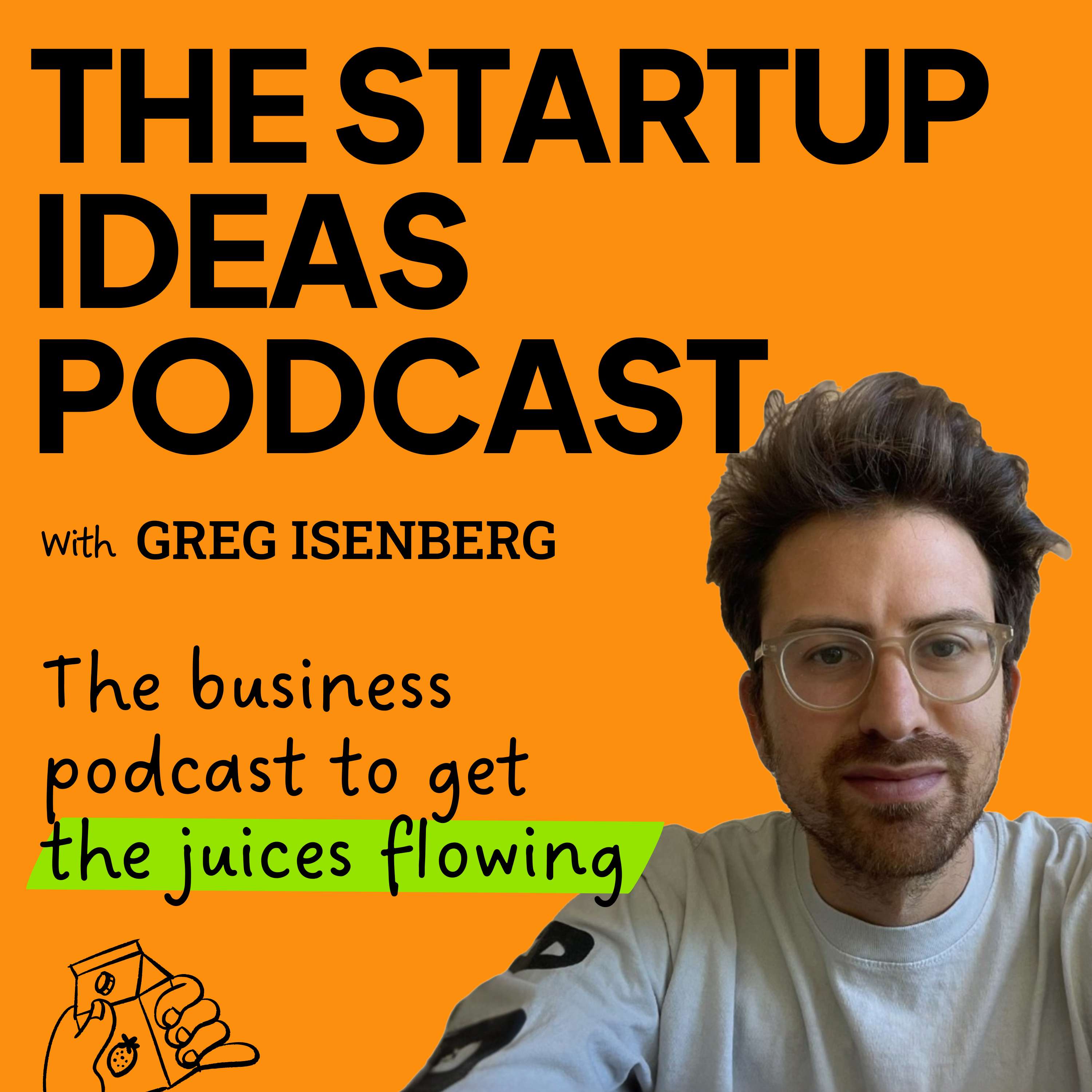
An executive analysis of Instinct AI's $10B valuation strategy, focusing on its invite-only growth model, native iMessage integration, and the emergence of agent-to-agent network effects. The report highlights the critical trade-offs between consumer usability and data privacy in the emerging personal agent market.
-
An analysis of the gap between online wellness discourse and actual consumer behavior. This brief explores how para-content amplifies trends like GLP-1s and peptides, creating a 1:10 awareness-to-adoption ratio. It examines the shift toward body futurism, the commodification of health metrics, and the emerging market for certified, microplastic-free goods.
-

Meta introduces Muse, a personal AI agent capable of executing tasks across connected apps. Meanwhile, Shipt and Instacart deploy AI shopping assistants, and the White House removes a Tetris-like game following copyright complaints. These moves signal a shift toward autonomous AI agents in consumer tech.
-

Explore how generative AI transforms household and business procurement by enforcing quality standards, vetting brand heritage, and automating post-purchase administration. Learn actionable frameworks for reducing decision fatigue and prioritizing durable, transparent supply chains.
-

An analysis of the impact of market timing on retirement wealth, the economic burden of tariffs on US consumers, and the legal implications of ambiguous product naming in the food industry.