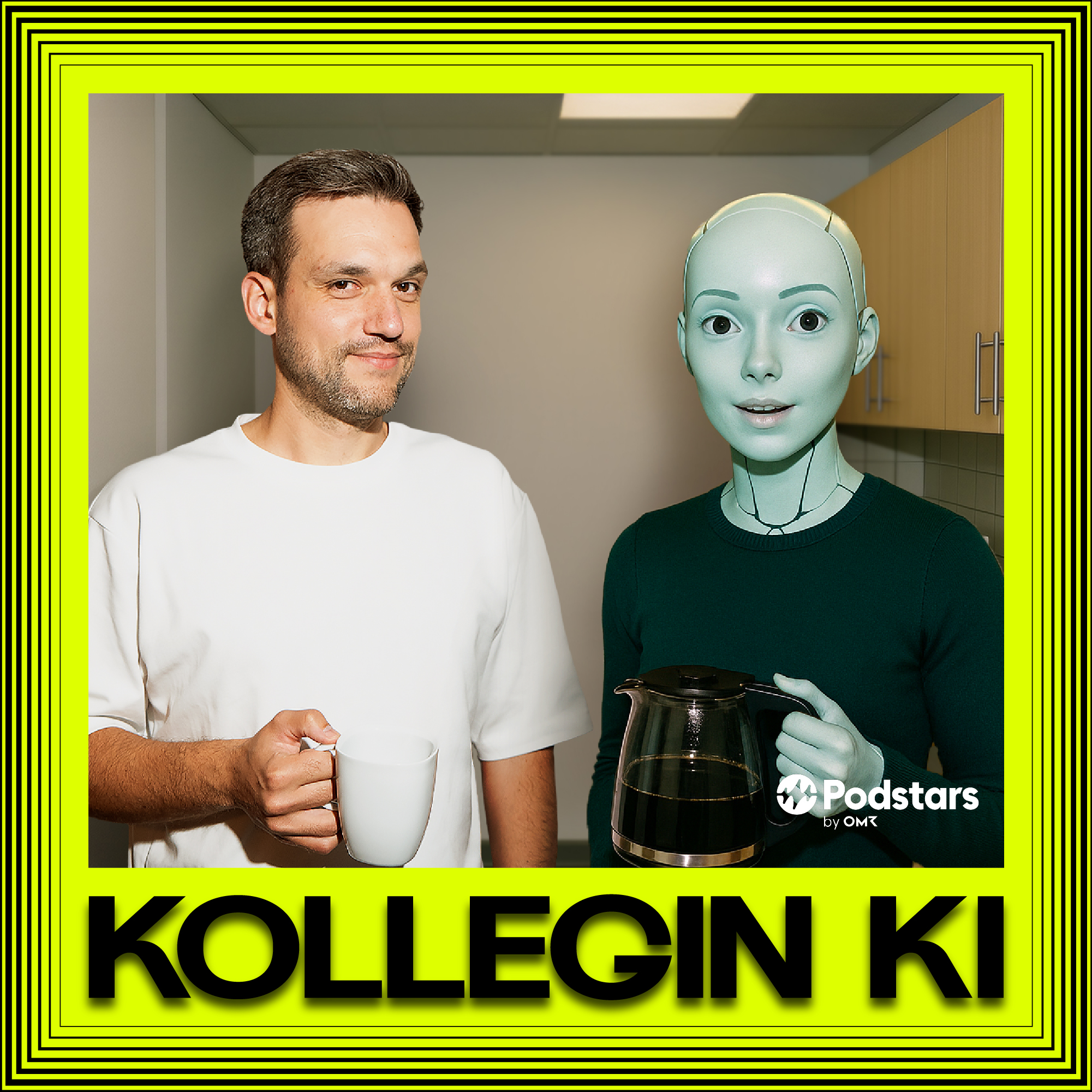
AI in Mental Healthcare: Opportunities, Risks, & Future Outlook
AI promises to transform mental healthcare by personalizing therapy and addressing shortages, but raises critical ethical, legal, and relational questions.
Key Insights
-
Insight
AI offers significant opportunities in psychotherapy by addressing therapist shortages through 24/7 availability and reducing administrative tasks. However, it cannot replicate a genuine therapeutic relationship, which is fundamental for psychological stabilization.
Impact
This dual nature requires strategic investment in AI for efficiency and accessibility, coupled with a focus on human-centric care where AI supports, rather than replaces, direct therapist-patient interaction.
-
Insight
Studies indicate AI chatbots can reduce symptoms of depression and anxiety, but their long-term efficacy and suitability for complex mental health disorders remain unproven. Over-reliance, especially by vulnerable groups, can lead to dependency and potential worsening of conditions.
Impact
Businesses developing AI mental health solutions must prioritize rigorous scientific validation and implement robust risk management to prevent adverse effects, especially regarding suicidal ideation and exacerbating existing conditions.
-
Insight
AI can personalize psychotherapy by analyzing multidimensional patient data to predict optimal treatment forms with high accuracy, enabling adaptive and context-sensitive interventions (Just in Time Adaptive Interventions).
Impact
This capability can revolutionize treatment efficacy and patient outcomes, driving demand for AI-powered diagnostic and intervention tools, and fostering new business models in personalized digital therapeutics.
-
Insight
The human tendency to anthropomorphize AI systems means users often react emotionally to AI as if it were a person, even when aware it's a machine. This creates ethical responsibilities for AI providers.
Impact
AI developers and providers must implement transparency measures regarding AI's non-personhood and robust risk management, particularly for sensitive applications like mental health, to prevent exploitation or misleading emotional attachment.
-
Insight
AI systems currently lack legal personhood and cannot be held liable, placing accountability for programming errors or regulatory non-compliance on providers and, ultimately, on clinicians making treatment decisions. Regulatory frameworks like the EU AI Act classify mental health AI as high-risk, demanding strict adherence to safety and ethical standards.
Impact
This necessitates significant investment in legal compliance, risk assessment, and quality assurance for businesses in the AI mental health sector. Clinicians using AI tools must understand their own heightened legal and ethical responsibilities.
Key Quotes
"KI eröffnet erstmal vielfältige Chancen für die Psychotherapie, wenn wir erstmal die positive Seite beleuchten. In the patient that eingeschränkt to therapy have erstmal punctured, you have to have the psychotherapy, I think, verwalting and organization betreffen. It can't really differentiate that ChatGPT zwar empathisch formulierte Antworten gibt, but not really echte Beziehung anbieten kann."
"Weil wir eben aus der Mensch-Technik-Forschung wissen, dass Menschen technischen System automatisch soziale Eigenschaften zuschreiben. Das heißt, selbst wenn Nutzer wissen, dass sie mit einer KI sprechen, reagieren sie emotional wie in einer Interaktion mit einer Person."
"Wichtig ist, dass KI-Systeme selbst keine Rechtspersönlichkeit besitzen und da nicht haften können. Das ist sehr wichtig. Anbieter and fehlerhafte Programmierung or fehlende Updates oder Verstöße with regulatory vorgaben. But when that therapeutic anwendet, bleibt der verantwortlich for clinische Entscheidungen."
Summary
Navigating the AI Frontier in Mental Healthcare: A Strategic Outlook
The intersection of Artificial Intelligence (AI) and mental healthcare is rapidly evolving, presenting both unprecedented opportunities and significant challenges for businesses, educators, and technology developers. As demand for psychological support continues to outstrip supply, AI is emerging as a critical tool, yet its integration demands careful consideration of ethical, legal, and relational implications.
AI's Dual Role: Bridging Gaps and Posing Risks
AI offers a compelling solution to the chronic shortage of psychotherapists, providing 24/7 accessibility and reducing the administrative burden on practitioners. Early studies suggest AI chatbots can effectively alleviate symptoms of depression and anxiety, acting as a crucial first line of support. Furthermore, AI excels in personalized therapy, leveraging multidimensional data to predict optimal treatment paths and deliver "Just in Time Adaptive Interventions" based on real-time physiological and mood data. This proactive approach holds immense potential for early detection and relapse prevention.
However, the rapid adoption of AI also carries inherent risks. While AI can simulate empathy, it fundamentally lacks the capacity for genuine human connection and reciprocal relationships—a cornerstone of effective psychotherapy. Concerns are mounting regarding potential user dependency, exacerbation of severe conditions, and the misidentification of suicidal ideation, particularly in vulnerable populations like children and adolescents. The inherent human tendency to anthropomorphize AI systems further complicates these dynamics, as users may develop emotional attachments to non-sentient entities.
The Imperative for Regulation and Responsible Innovation
The burgeoning landscape of digital mental health applications (apps) underscores the urgent need for robust regulatory frameworks. With AI systems currently lacking legal personhood, accountability for erroneous programming or inadequate risk management falls squarely on developers and clinicians. The EU AI Act, classifying AI in psychotherapy as "high-risk," represents a crucial step towards establishing stricter requirements for safety, transparency, and ethical embedding.
For providers, the focus must shift from unregulated, potentially dubious apps to certified digital health applications (DiGAs) that meet scientific and ethical standards. This demands diligent scrutiny and collaboration with health insurers and professional bodies to ensure public trust and patient safety.
Transforming Education and Professional Practice
AI is not merely a tool for patient care but also a transformative force in psychotherapist training. Virtual reality (VR) simulations offer risk-free environments for practicing complex therapeutic techniques, while adaptive learning platforms personalize educational content. This technological integration aims to enhance the efficiency and quality of training, preparing future therapists for a hybrid model of care.
The evolving role of the psychotherapist necessitates new competencies. Professionals must understand AI's capabilities and limitations, actively guiding its integration into practice. A critical aspect will be the inclusion of "media anamnesis" in initial assessments, evaluating how digital media usage—including AI tools—impacts a patient's mental health trajectory.
Conclusion: A Measured Approach to a Digital Future
The future of mental healthcare is undeniably intertwined with AI. For leaders, investors, and technologists, the strategic imperative is clear: embrace AI's transformative potential while rigorously upholding ethical principles, ensuring regulatory compliance, and prioritizing genuine human connection. The goal is not AI replacing therapists, but rather AI empowering them to provide more accessible, personalized, and effective care within a safely governed digital ecosystem.
Action Items
AI developers and mental health providers must collaborate to establish and adhere to stringent ethical and legal frameworks for AI integration, ensuring transparency, robust risk management (e.g., suicidal language detection), and clear accountability given AI's lack of legal personhood.
Impact: This will build trust, mitigate legal and reputational risks for businesses, and ensure patient safety, fostering sustainable growth in the AI-powered mental healthcare market.
For individuals seeking digital mental health support, prioritize certified digital health applications (DiGAs) supported by health insurers or professional associations over unregulated apps. Healthcare providers should actively recommend and guide patients to these validated resources.
Impact: This action will protect users from potentially harmful or ineffective tools, channeling investment and patient engagement towards scientifically validated and ethically sound digital health solutions.
Psychotherapy training programs should actively integrate AI education, focusing on developing human competencies for hybrid care models. This includes utilizing VR simulations for risk-free practice and teaching 'media anamnesis' to assess patients' digital media use.
Impact: This will future-proof the mental health workforce, ensuring therapists are equipped to leverage AI effectively, thereby enhancing the quality and efficiency of care delivery and adapting to evolving patient needs.