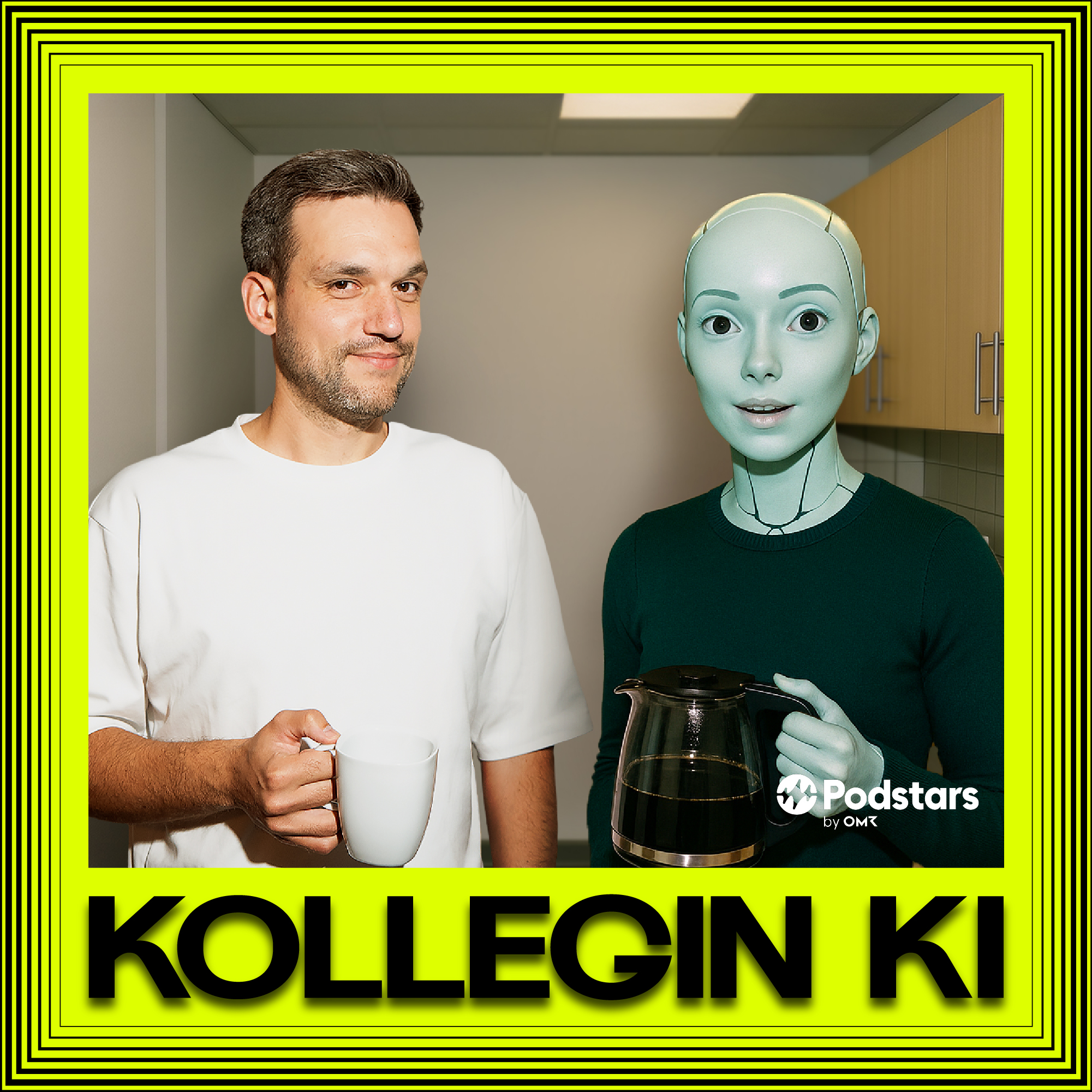
AI's Dual Edge: Innovation, Disinformation, and Social Media's Future
Explore AI's transformative role in social media content, the erosion of authenticity, deepfake threats, and regulatory challenges.
Key Insights
-
Insight
Social media platforms are experiencing a surge in easily generatable AI content, shifting the focus from targeted audience engagement and authenticity to high-volume output and reach, posing a challenge to traditional content strategies.
Impact
This could dilute genuine brand messaging, make it harder for businesses to establish authentic connections, and increase the noise floor in competitive digital markets.
-
Insight
The 'Uncanny Valley' effect in AI-generated content is diminishing, making it increasingly difficult for users to distinguish between human-created and synthetic media. This blurring of lines impacts trust and perception.
Impact
Erodes consumer trust in digital media, complicates brand reputation management due to potential AI impersonations, and requires advanced verification methods for all digital assets.
-
Insight
Deepfakes are extensively used for financial scams and political disinformation, leveraging public figures to promote fraudulent schemes and manipulate public opinion, exploiting a lack of effective platform moderation.
Impact
Leads to significant financial losses for individuals, damages the credibility of public figures and institutions, and creates an unstable environment for political discourse and business operations.
-
Insight
Despite regulatory efforts, major social media platforms are criticized for inaction against harmful AI content, with concerns that financial incentives from advertising revenue may impede strict enforcement of anti-scam and deepfake policies.
Impact
Undermines regulatory frameworks, exposes platforms to increased legal and reputational risks, and fosters an environment where illicit activities thrive due to perceived impunity.
-
Insight
Existing and upcoming digital regulations (e.g., EU's DSA, DMA, AI-Act) face significant challenges in implementation, enforcement, and definition, particularly regarding the identification and labeling of AI-generated content.
Impact
Delays effective protection against AI-related harms, creates uncertainty for businesses developing AI tools, and risks inconsistent application of rules across different platforms and regions.
-
Insight
The widespread integration of AI in everyday technology, from smartphone cameras to algorithms, necessitates a clearer distinction of 'generative AI' for effective public understanding and regulatory precision.
Impact
Without clear definitions, public discourse and regulatory efforts risk over-broad application, stifling innovation in beneficial AI applications while failing to target problematic generative AI.
-
Insight
The burden of proof for content authenticity has shifted; it is becoming necessary to verify if digital images and videos are 'real' rather than merely attempting to detect if they are 'fake'.
Impact
Increases complexity and cost for businesses in verifying content, places a greater cognitive load on consumers, and necessitates a fundamental shift in digital media consumption habits and education.
Key Quotes
"Das Einzige, was da so ein bisschen fehlt, ist halt die Seele. Und die Seele ist aber am Ende vermutlich das, was Bindung schafft und was Leute eben von Laufkundschaft zu Publikum machen oder zu Fans machen."
"Ich glaube, wir sind mittlerweile an einem Punkt, wo man sagen muss, die Beweislast hat sich längst umgedreht. Wir müssen eigentlich belegen, wenn Bilder und Videos echt sind."
"Ich sag mal so, wenn wir KI nutzen, um politische Gegner zu entlarven, dann entlarven wir am Ende nur uns selbst. Und zwar als jemand, der auf echte Argumente verzichtet. Wir haben genug reale kritikwürdige Inhalte. Warum sie mit künstlichen Verwässern?"
Summary
The AI Tsunami: Navigating Authenticity and Disinformation in Social Media
Artificial Intelligence is reshaping the landscape of social media at an unprecedented pace, presenting both exhilarating opportunities for content creation and daunting challenges related to authenticity, trust, and regulation. As AI-generated content floods our feeds, finance leaders, investors, and business strategists must understand the profound shifts occurring and their implications for digital engagement, brand reputation, and market stability.
The Paradox of AI Content: High Output, Low Engagement?
The proliferation of AI tools has made content generation remarkably simple and scalable. However, this ease often comes at the cost of genuine connection. While platforms like YouTube Shorts are seeing massive engagement with AI-generated videos, a critical question emerges: Who is this content truly for? The traditional focus on defining target audiences and creating authentic narratives is being overshadowed by a drive for sheer output. This shift risks eroding the very essence of social media – human connection – transforming communities into mere audiences for synthetic experiences. The "Uncanny Valley" effect, where AI content feels almost human but unsettlingly not quite, is rapidly diminishing, making it increasingly difficult to discern real from artificial.
Deepfakes and the Erosion of Trust
The darker side of AI's advancement is the alarming rise of deepfakes, particularly those used for financial scams and political disinformation. Public figures, from politicians to celebrities, are routinely cloned to endorse fraudulent schemes, creating a significant threat to individual financial security and public trust in institutions. These sophisticated deepfakes exploit the diminishing capacity of the average user to identify synthetic content, especially when it aligns with pre-existing biases.
Platform Accountability and Regulatory Hurdles
The responsibility for combating this wave of harmful AI content largely falls on social media platforms. However, there's growing evidence that financial incentives might be hindering robust action. Reports suggest that a significant portion of platform revenue is derived from fraudulent advertising, including those leveraging deepfakes. Despite the existence of comprehensive regulatory frameworks like the EU's Digital Services Act (DSA), Digital Markets Act (DMA), and AI-Act, enforcement remains a critical challenge. The lack of stringent penalties and clear definitions for AI-generated content allows malicious actors to operate with relative impunity, undermining the intended protections of these laws.
The Shifting Burden of Proof and the Future of Digital Literacy
We've reached a point where the burden of proving content authenticity has effectively reversed. Instead of identifying fake content, we now increasingly need to verify what is real. This necessitates a more nuanced understanding of AI, distinguishing between general AI enhancements (like those in smartphone cameras) and generative AI that creates content from scratch. The blurring lines between satire and disinformation further complicate matters, as AI enables the creation of manipulative content that can be easily dismissed as satire by its creators, yet genuinely mislead audiences.
Conclusion: A Call for Conscious Digital Stewardship
The future of social media, and indeed the broader digital ecosystem, hinges on a collective commitment to responsible AI integration. For businesses, this means prioritizing authentic, "soulful" content that fosters genuine connection. For platforms, it demands rigorous enforcement of ethical guidelines and regulatory compliance. For individuals, it requires heightened digital literacy and a critical eye. A better internet is possible, but it requires active, conscious participation from all stakeholders to ensure that technology serves humanity, rather than subverting it.
Action Items
Social media platforms must proactively invest in and rigorously enforce robust AI detection and removal systems for scams and deepfakes, prioritizing user protection and trust over short-term advertising revenue.
Impact: Enhances platform credibility, reduces financial harm to users, and creates a safer digital environment, potentially leading to increased user engagement and retention in the long term.
Regulatory bodies should accelerate the full implementation and stringent enforcement of AI-related legislation, imposing significant and transparent penalties for non-compliance on platforms that fail to curb harmful AI content.
Impact: Provides a strong deterrent against illicit AI use, encourages platforms to take responsibility, and establishes a clearer legal framework for ethical AI development and deployment.
Businesses and content creators should strategically focus on developing unique, 'soulful' and human-centric content strategies that foster genuine connections, differentiating themselves from generic AI-generated output.
Impact: Builds stronger brand loyalty, cultivates authentic communities, and creates a competitive advantage in a crowded digital landscape increasingly saturated with impersonal AI-driven content.
Developers of generative AI tools should integrate robust, non-removable digital watermarks and content credentials into all AI-generated media to clearly identify its synthetic origin at the point of creation.
Impact: Aids in tracing the source of deepfakes and disinformation, improves transparency for users, and supports regulatory efforts for content identification and accountability.
Educational institutions and public initiatives must enhance digital literacy programs, focusing on critical thinking skills to help individuals discern between genuine and AI-generated content, especially concerning political narratives and financial scams.
Impact: Empowers individuals to navigate the complex digital landscape more safely, reduces vulnerability to scams and disinformation, and fosters a more informed and resilient citizenry.
Mentioned Companies
Meta
-4.0Accused of earning a significant portion of its global annual revenue (estimated 10% or 17 billion Euro) from scam advertising, including deepfakes, and failing to effectively enforce regulations.